Pack one clearly labeled essentials box for your first night, and keep it with you or make sure it's the first thing off the truck. It should hold bedding, toiletries, medications, chargers, important documents, snacks, and a few basic tools. Everything else in your new home can wait until morning. This box contains the immediately needed essentials.
TL;DR:
- Keep the essentials box in your car or clearly marked for priority unloading, especially for documents, medications, and valuables.
- Pack only what is needed for the first 24 to 48 hours, including bedding, toiletries, chargers, snacks, and a basic first-aid kit.
- Label cables, chargers, and important documents to prevent delays caused by tangled cords or misplaced items.
- Prioritize items like medications, IDs, and essential electronics over non-urgent belongings to avoid missing critical needs.
- Consider involving a move coordinator for long-distance moves to ensure your essentials box is handled first and to reduce logistical stress.
Table of Contents
- What Is a Moving Day Essentials Box?
- Bedroom and Bathroom Essentials for Night One
- Electronics, Chargers, and Staying Connected
- Kitchen Basics and What to Eat on Moving Day
- Tools and Cleaning Supplies for Move-In Day
- Medications, Documents, and Essentials for Kids and Pets
- When to Pack the Essentials Box and Where It Belongs
- Common Essentials Box Mistakes (and a Checklist to Avoid Them)
- How Value Added Moving Approaches Essentials for Long-Distance Moves
- A Realistic Take on Moving Day Priorities
- When It Makes Sense to Bring in a Move Coordinator
- Sources
- FAQ
What Is a Moving Day Essentials Box?
A moving day essentials box (also called a first-night box or open-first box) is a single container packed with everything you need to function for the first 24 to 48 hours in your new home, before you touch a single moving box. You should not need to open anything else that day. That is the entire point.
Choosing the right container matters more than most people realize. A clear plastic bin beats a cardboard box for one simple reason: you can see what's inside without digging through it, which professional organizers consistently recommend for exactly this reason. A sturdy duffel bag or tote works too, and some movers prefer bags because they're easier to carry and less likely to get mistaken for a box headed for the truck.
Keep the container to genuine 24 to 48 hour essentials. Common contents include:
- Bedding and sleepwear for one night
- Toiletries and personal hygiene items
- Medications and basic first-aid supplies
- Phone and laptop chargers
- Important documents (ID, lease, insurance)
- Snacks, water, and coffee or tea supplies
- A small tool kit for basic assembly
Resist the urge to treat this box as overflow storage. It's a survival kit, not a moving box with a fancier label.
Bedroom and Bathroom Essentials for Night One
You will be exhausted after moving day. The goal here is simple: get clean and get horizontal without hunting through fifteen boxes labeled "misc."
For the bedroom, pack:
- One full set of sheets per bed (fitted, flat, pillowcases)
- Pillows and at least one blanket per person
- Pajamas or comfortable sleep clothes
- A set of clean clothes for the next morning
For the bathroom, bring:
- Toothbrushes and toothpaste
- Soap, shampoo, and a washcloth or two
- A roll of toilet paper (new homes rarely have any)
- Towels, at least one per person
- Any daily hygiene products you'd normally reach for without thinking
A few small comfort extras make a bigger difference than their size suggests. A nightlight helps in an unfamiliar house where you don't yet know where the light switches are. Slippers keep bare feet off floors that may not be swept yet. Earplugs help if you're moving somewhere with unfamiliar street noise, barking dogs, or a partner who snores louder in a house with different acoustics.
Pro Tip: Pack the essentials box near the very end of your packing process, not the beginning. If you fill it a week early, you'll end up digging your toothbrush back out for daily use and forgetting to put it back in. This single habit, confirmed by moving guides, prevents the most common essentials-box failure: an empty box on move-in night because the "essential" items got used and never returned.
Electronics, Chargers, and Staying Connected
Losing phone access on moving day is its own kind of chaos. You need to coordinate with movers, family, and delivery drivers, all while your phone sits at 4 percent battery.
Pack these before anything else in the electronics category:
- Phone and laptop chargers (the actual cords, not just the bricks)
- A fully charged portable power bank
- A power strip or small extension cord
- Spare batteries for flashlights or kids' toys
- A basic lamp or nightlight for the first evening
Movers and professional organizers specifically flag chargers and a labeled cord set as a top essentials-box item, since connectivity problems tend to hit hardest in the first few hours after arrival. Bundle each device's cord with a rubber band or twist tie and label it. Fumbling through a tangle of unmarked cables at 9 p.m. is a needless way to end a long day.
Charge your power bank the night before the move, not the morning of. You'll likely be too busy to notice it's still plugged into a wall outlet that gets packed up by mistake. If you rely on cloud storage for anything critical, back up your phone and laptop before moving day, too. Movers occasionally misplace boxes; nobody wants to lose photos or work files on top of that.
Kitchen Basics and What to Eat on Moving Day
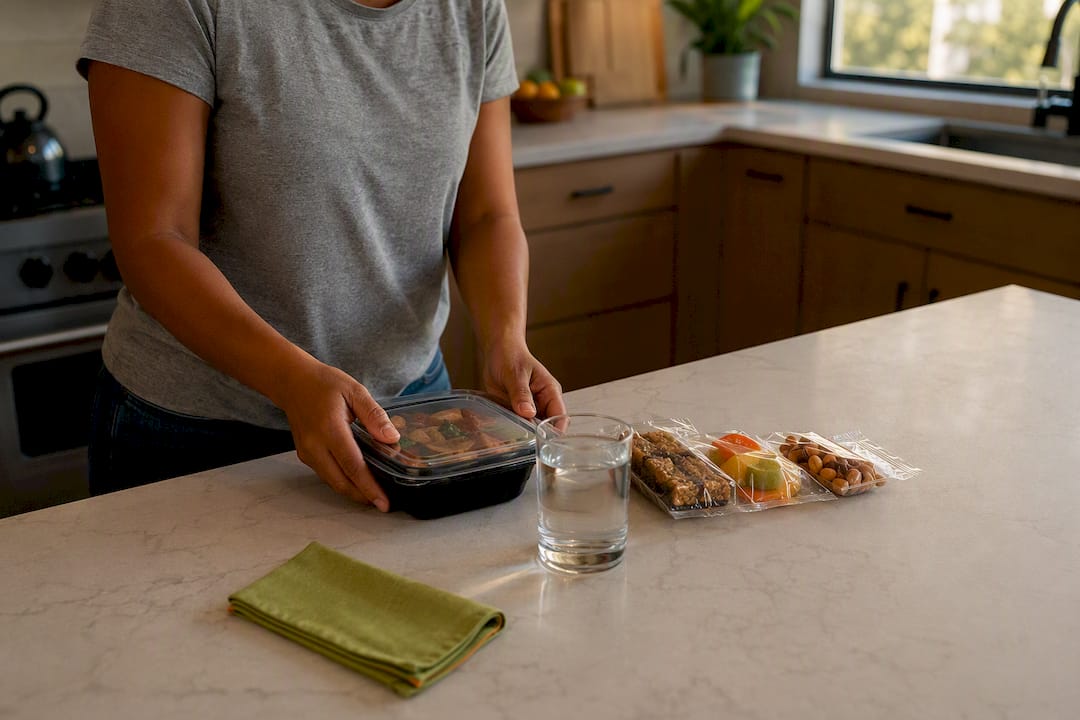
You don't need your full kitchen the first night. You need enough to eat, drink coffee, and avoid a grocery run at 10 p.m.
Pack a minimal kitchen kit:
- Disposable plates, cups, and utensils
- A basic can opener
- Coffee, tea, or instant options plus a mug or two
- Paper towels
For food, prioritize shelf-stable snacks and easy breakfast items. Granola bars, crackers, peanut butter, and fruit travel well and don't need refrigeration. Pack a case of water bottles; your new home's water might not be hooked up yet, and you'll be too tired to worry about filling glasses anyway.
Expert moving guides consistently point to minimal kitchen basics and grab-and-go snacks as the difference between a smooth evening and a hungry, cranky one. For dinner, plan on takeout. Most families order food on move-in night rather than attempt real cooking, and that's the right call. Save the pots and pans unpacking for day two, when you're not running on fumes.
Tools and Cleaning Supplies for Move-In Day
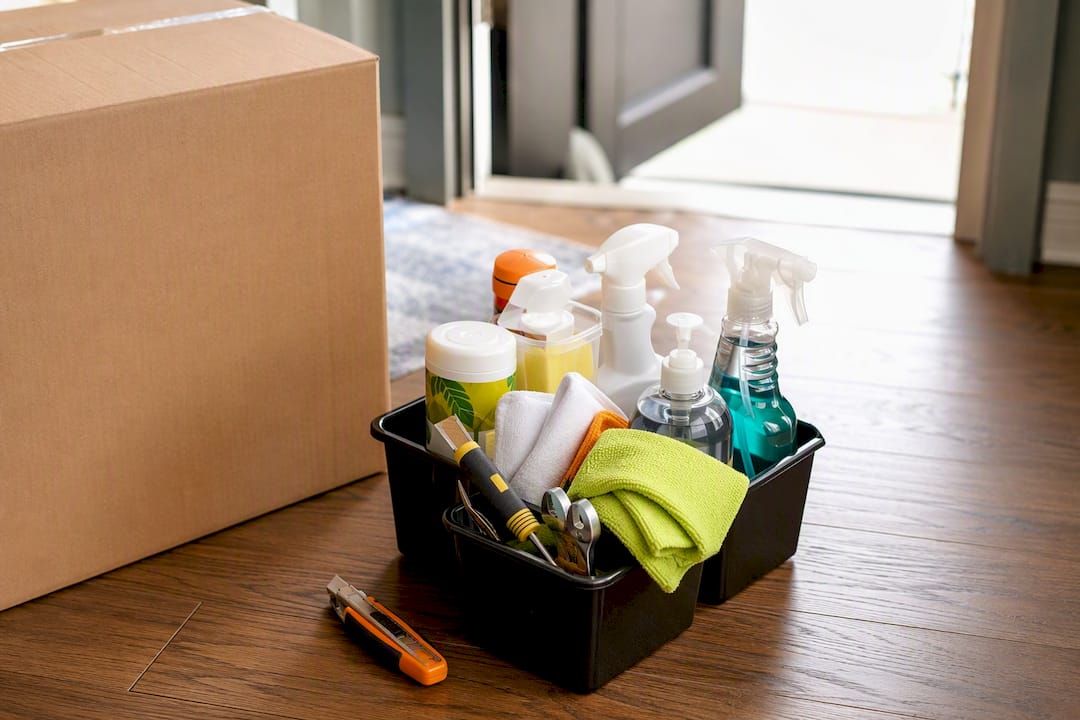
A surprising number of moving day headaches come down to not having a screwdriver within reach. Pack a small tool kit separately from your regular toolbox so it doesn't end up buried on the truck.
Include:
- A box cutter or utility knife
- A basic multitool or screwdriver set
- A hammer
- Extra packing tape
- Zip-top bags for loose screws and furniture hardware
- A tape measure
- A flashlight with fresh batteries
- An extension cord or power strip
You'll also want a small cleaning kit ready before you unpack anything else. Wipe down shelves, counters, and bathroom surfaces before boxes arrive on top of them. Pack a multi-surface cleaner, a roll of paper towels, and a stack of trash bags. Trash bags in particular disappear fast on moving day between packing debris, food wrappers, and the inevitable pile of bubble wrap nobody wants to deal with yet.
Keep this kit accessible, not buried under bedding. You'll likely need the box cutter before you need the pillows.
Medications, Documents, and Essentials for Kids and Pets
Some items in your essentials box carry higher stakes than a forgotten toothbrush. Health, legal, and family needs belong at the top of the list.
Pack these without exception:
- All prescription medications, in their original bottles
- Daily over-the-counter basics (pain relievers, allergy medication)
- A basic first-aid kit
- Government IDs and passports
- Lease or closing documents and insurance paperwork
- Signed moving contracts and mover contact information
- Cash or a card ready for mover tips
Guides recommend keeping these items with you rather than on the truck, since medications, documents, and valuables should never ride separately from you during the move itself.
If you're moving with kids, pack a few comfort items (a favorite stuffed animal, a familiar blanket) along with any formula, diapers, or wipes needed for the day. Unfamiliar spaces are unsettling for small kids, and a familiar object goes a long way.
Pets need the same forethought. Pack food, a collapsible bowl, a leash, and any medication your pet takes regularly. Moving is stressful for animals too, and having their basics ready immediately keeps one more variable under control.
When to Pack the Essentials Box and Where It Belongs
Timing matters as much as contents. Pack too early, and you'll be raiding the box for daily items. Pack too late, and you'll be scrambling the morning of the move.
- One week before: Set aside a designated bin or bag and start a running list of what needs to go in it.
- Three to four days before: Add items you use less often but still need (spare chargers, a small toolkit, backup medications).
- The night before: Add daily-use items: toothbrush, phone charger, pajamas, and any last medications.
- Morning of the move: Do a final check for anything still in use (glasses cases, current prescriptions, wallet).
Once packed, the box has one job: staying with you. Moving guides are consistent on this point: the essentials box belongs in your car, not on the truck, especially if it holds documents, medications, or valuables. If you must send it with movers, label it clearly with bright tape or a marker, and tell your move coordinator or crew lead that it needs to come off first.
Pro Tip: Take a photo of your essentials box before it leaves your hands. If it does end up misplaced during loading, you'll have a clear visual reference of what's inside and what it looks like, which speeds up the search considerably.
If you're working with a coordinated moving service, mention the essentials box specifically during your pre-move walkthrough. A quick verbal heads-up prevents it from getting stacked deep in the truck with everything else.
Common Essentials Box Mistakes (and a Checklist to Avoid Them)
Most essentials box failures come down to the same handful of errors, and they're consistent enough across moving guides to call them predictable.
- Overfilling the box: Stick to true 24 to 48 hour needs, not a second suitcase.
- Packing it too early: You'll dig items back out for daily use, then forget to return them.
- Letting it ride on the truck: Keep it in your car whenever the contents include documents or medications.
- Forgetting chargers, meds, or documents: These are the three items people remember only after they need them.
- No clear labeling: An unmarked bin looks identical to every other box in a stack of forty.
| Checklist Item | Why It Matters |
|---|---|
| Bedding for one night | Lets you sleep without unpacking closets |
| Toiletries and toilet paper | New homes rarely have any on hand |
| Medications and first-aid kit | Non-negotiable, health-related priority |
| Phone and laptop chargers | Keeps you reachable and coordinated |
| Portable power bank (charged) | Backup if outlets aren't accessible yet |
| IDs, lease, and insurance documents | Needed for movers, landlords, or emergencies |
| Snacks and water | Prevents a hungry, cranky first evening |
| Basic tool kit | Handles bed assembly and box opening |
| Cleaning supplies and trash bags | Cleans surfaces before unpacking |
| Cash or card for mover tips | Avoids last-minute scrambling |
Print this table or copy it into your phone's notes app the week before your move.
How Value Added Moving Approaches Essentials for Long-Distance Moves
Coordinating an essentials box gets more complicated when your move spans states rather than city blocks. A local move might mean your essentials box rides in your own trunk for twenty minutes. A cross-country relocation means it could be separated from you for days if you're not deliberate about it.
For long-distance moves, a few practical habits help:
- Keep both paper and digital copies of your moving contract, bill of lading, and insurance paperwork, since these documents matter for interstate moves and shouldn't rely on a single physical copy.
- Label your essentials box on multiple sides in bold marker, specifying "load last, unload first."
- Confirm directly with your move coordinator that this box is flagged for priority handling.
Working with a dedicated move coordinator gives you one point of contact who can relay these instructions to the loading crew instead of hoping the message survives a chain of handoffs. If your move involves a longer transit window, review a cross-country moving timeline early, since essentials planning shifts when your household goods might be in transit for several days rather than several hours.
A Realistic Take on Moving Day Priorities
Moving day rarely goes according to plan, and that's fine. Success on night one isn't a fully organized kitchen or perfectly arranged furniture. It's a bed with sheets on it, a working bathroom, and your phone charger within reach.
Prioritize the essentials box over everything else once the truck pulls away. Get the bed made, find the bathroom items, and stop there if you need to. Everything else can wait until tomorrow, or the day after.
Delegate what you can, and let go of what doesn't get done today. A move is not a test of how much you can accomplish in twenty-four hours. It's a test of whether you slept, ate, and stayed reasonably calm. Most first nights are imperfect. That's normal, and it's still a win.
— Victor
When It Makes Sense to Bring in a Move Coordinator
A well-packed essentials box solves the first night. It doesn't solve a 1,200-mile move with a tight closing date, specialty items that need extra care, or a household split across two moving trucks. That's where a managed move starts to pay for itself in reduced stress alone.

Some moving services connect you with pre-screened, licensed, and insured moving companies and negotiate competitive quotes on your behalf, helping reduce the burden of contacting multiple movers while also managing your essentials box packing. Transparent pricing with no hidden fees, and a dedicated move coordinator serving as a single point of contact from quote to unloading, can be valuable, whether relocating locally or across the country. If your move involves kids, pets, or long-distance logistics, that kind of coordination is exactly where the difference shows up. Visit Valueaddedmoving to get matched with a vetted mover and see how the process works before your next move gets complicated.
Sources
- What goes in a moving essentials box? — MoveBeacon
- The First Night Box — Livingetc
- The Ultimate Moving Checklist and Packing Guide — U-Haul
FAQ
What Do You Need for a Move-In Day?
You need a first-night essentials box with bedding, toiletries, medications, chargers, important documents, snacks, and basic tools. Keep it accessible in your car or clearly labeled for first-off unloading, since it should cover your first 24 to 48 hours without requiring you to open any other boxes.
What Should You Buy for Move-In Day?
Stock up on disposable plates and utensils, toilet paper, paper towels, trash bags, and a basic cleaning spray, since new homes rarely have these on hand. Add a phone charger backup and a portable power bank if you don't already own one.
What Are the Essential Items for Moving Out on Your Own?
Beyond the standard essentials box, first-time movers should prioritize a basic tool kit, a flashlight, copies of lease documents, and enough cash or a card for tipping movers. A small first-aid kit and any regular medications round out the list.
What Are the Best Foods for Moving Day?
Shelf-stable snacks like granola bars, crackers, and fruit work well, along with bottled water and easy breakfast items that need no refrigeration. Most families rely on minimal kitchen basics for the first day and plan for takeout that evening rather than cooking.
When Should You Pack Your Essentials Box?
Start setting items aside about a week before the move, then finalize daily-use items like chargers and toiletries the night before. This timing follows the standard moving timeline that most movers and organizers recommend.
Does Value Added Moving Help With Essentials Box Logistics?
Value Added Moving connects you with a dedicated move coordinator who can confirm your essentials box is flagged for priority handling during loading and unloading. Pricing details and service specifics are available directly on the Valueaddedmoving site.